





Pregnancy and Birth
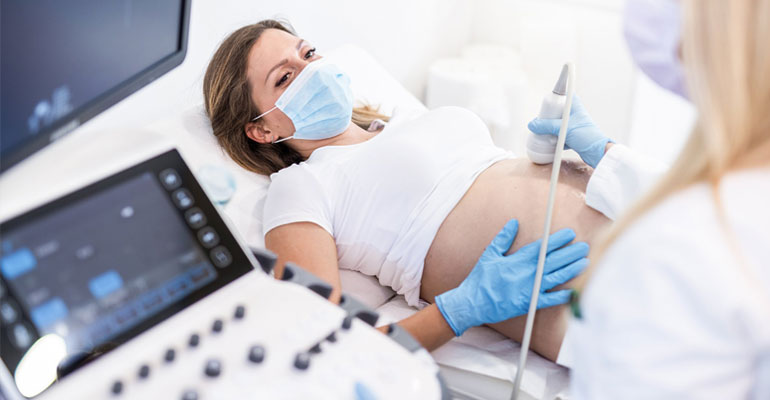
Pregnancy and birthIt is a special process in which the expectant mother experiences changes both physically and emotionally. For a healthy pregnancy, it is important to have regular doctor's checks, balanced nutrition, appropriate exercise, adequate sleep and necessary screening tests on time.
Pregnancy Process Week by Week
Pregnancy is a process of approximately 40 weeks and is calculated from the first day of the last menstrual period. The development of the baby and the changes experienced by the mother may be different every week. The pregnancy process is outlined below.
Follow-up plan during pregnancy and birth; It should be created by evaluating the medical history of the expectant mother, the week of pregnancy, findings about the baby, and the conditions of the center where the birth will take place [1][2].
1-12. Weeks: First Trimester
In the first weeks, fertilization, implantation of the embryo in the uterus and basic organ development begin. During this period, symptoms such as menstrual delay, nausea, fatigue, breast tenderness and frequent urination may be observed. During the first examination, it is evaluated by ultrasound whether the gestational sac is inside the uterus.
- Pregnancy test and beta-hCG evaluation can be performed.
- Pregnancy week and location are checked with ultrasound.
- Blood type, complete blood count, urine test and infection screenings may be requested.
- 11-14. A double screening test can be planned between weeks.
13-27. Weeks: Second Trimester
The second trimester is a more comfortable period for most expectant mothers. Nausea may decrease, energy may increase, and the belly may begin to become apparent. Baby movements usually begin to be felt during this period.
- 16-20. If necessary, a triple or quadruple screening test can be performed between weeks.
- 20-24. A detailed ultrasound evaluation can be planned between weeks.
- 24-28. Gestational diabetes screening can be performed between weeks.
- The expectant mother's weight, blood pressure and urine are monitored.
28-40. Weeks: Third Trimester
In the last trimester, the baby grows rapidly and the expectant mother may experience lower back pain, difficulty sleeping, contractions, frequent urination and fatigue. During this period, the birth plan, method of birth and hospital preparations are discussed.
- The baby's development and water flow are monitored with ultrasound.
- When necessary, the baby's heartbeat and contractions are evaluated with NST.
- After the 36th week, checks can be made more frequently.
- The expectant mother is informed about the signs of birth.
What Should Be Considered During Pregnancy?
- Regular doctor checks should not be neglected.
- Cigarettes, alcohol and medications without doctor approval should be avoided.
- Raw meat, poorly cooked eggs and unpasteurized products should be avoided.
- Attention should be paid to daily water consumption.
- If the doctor deems it appropriate, walking, swimming or light exercise can be done.
- In case of severe pain, bleeding or water breaking, a doctor should be consulted immediately.
How to Prepare for Birth?
Preparation for birth is both a physical and psychological process. It is important for the expectant mother to talk to her doctor about labor symptoms, when to apply to the hospital, and birth options.
The decision on the method of birth is not based on a single criterion; It should be given taking into account the safety of the mother and baby, previous birth history and current examination findings [2][3].
Breathing exercises, relaxation exercises, light exercise and obtaining accurate information about birth can help reduce the fear of birth. Birth kit, hospital selection and postpartum support plan can also be prepared in the last weeks.
Article Summary
Pregnancy and Birth should be addressed by evaluating the person's complaints, examination findings and needs together. In this article, the basic points about Pregnancy and Birth, the diagnosis-treatment process and things to consider are summarized.
What Will You Find in This Article?
- Pregnancy Process Week by Week:This section explains basic information on the subject, the evaluation process and points to consider.
- 1-12. Weeks: First Trimester:This section explains basic information on the subject, the evaluation process and points to consider.
- 13-27. Weeks: Second Trimester:This section explains basic information on the subject, the evaluation process and points to consider.
- 28-40. Weeks: Third Trimester:This section explains basic information on the subject, the evaluation process and points to consider.
Tests Performed During Pregnancy
- First Inspection Tests:Blood type, Rh status, complete blood count, urine test and infection screenings may be performed.
- Double Test:Usually 11-14. It is done within weeks.
- Detailed Ultrasound:Mostly 20-24. It is applied to evaluate the baby's organ development between weeks.
- Gestational Diabetes Screening:Usually 24-28. It is done within weeks.
- NST:In the last weeks, when necessary, the baby's heartbeat and uterine contractions are monitored.
What Symptoms Should You Consult a Doctor During Pregnancy?
Some symptoms during pregnancy may require urgent evaluation. In the following cases, a doctor should be consulted without delay:
Symptoms that occur during pregnancy do not always have the same meaning; In cases such as bleeding, severe pain, regular contractions or decreased baby movements, evaluation is required without delay [1][3].
- vaginal bleeding,
- Severe abdominal or groin pain,
- water coming,
- Significant decrease in baby movements,
- High fever,
- Severe headache, visual impairment or widespread edema,
- Regular and painful contractions,
- Burning or heavy discharge when urinating.
Pregnancy and Birth Follow-up Prices 2026
Pregnancy and birth follow-up prices; It may vary depending on the frequency of examination, ultrasound and laboratory tests to be performed, risk status of the pregnancy, type of birth and hospital conditions.
In the postpartum period, physical recovery, mental status, breastfeeding and infection findings should be monitored together [1].
The most accurate information about current pregnancy and birth follow-up prices in 2026 can be given through personal evaluation after the examination.