





What is Hysterectomy?
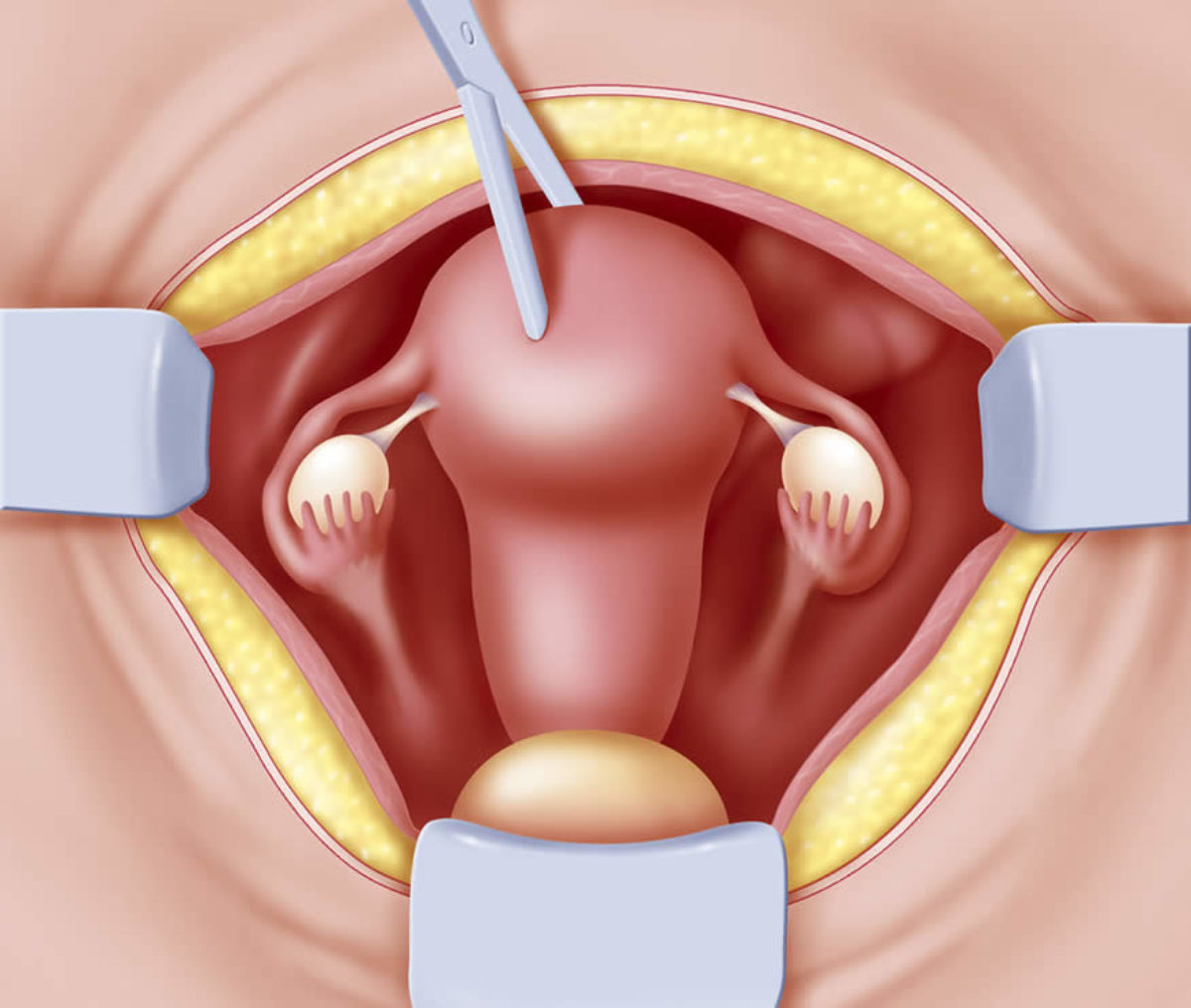
hysterectomyIt is the process of surgically removing the uterus. It is one of the most frequently performed major surgeries in gynecology and is usually considered in the treatment of myomas, excessive uterine bleeding resistant to treatment, endometriosis, adenomyosis, uterine prolapse, chronic pelvic pain or some gynecological cancers.
After hysterectomy, the person no longer menstruates and pregnancy is not possible. Therefore, the decision to operate; It should be given taking into account the person's age, desire to have children, severity of complaints, type of disease, previously tried treatments and general health condition.
Article Summary
What is Hysterectomy? The issue should be addressed by evaluating the person's complaints, examination findings and needs together. In this article, What is Hysterectomy? The basic points to be wondered about, the diagnosis-treatment process and things to pay attention to are summarized.
What Will You Find in This Article?
- Why is hysterectomy performed?:This section explains basic information on the subject, the evaluation process and points to consider.
- What are the Types of Hysterectomy?:This section explains basic information on the subject, the evaluation process and points to consider.
- Total Hysterectomy:This section explains basic information on the subject, the evaluation process and points to consider.
- Partial or Subtotal Hysterectomy:This section explains basic information on the subject, the evaluation process and points to consider.
Hysterectomy is the removal of the uterus from the body using surgical methods. The scope of the surgery may vary depending on the cause of the disease. While in some operations only the uterus is removed, in some cases the cervix, fallopian tubes, ovaries or surrounding tissues may also be removed.
Removal of the uterus is a permanent procedure. For this reason, hysterectomy is usually evaluated when other treatment options are inadequate, complaints seriously affect the quality of life, or in cases that require surgical treatment, such as cancer.
Why is hysterectomy performed?
Hysterectomy may be performed for different medical reasons. The most common causes are:
In complaints about women's health, the diagnosis and treatment plan should be created by evaluating the duration of symptoms, examination findings and personal risk factors [1][2].
- Myomas:They are benign tumors that develop in the uterus. It may cause complaints such as excessive bleeding, pain, feeling of pressure or frequent urination.
- Excessive uterine bleeding:Hysterectomy may be considered in cases of intense and prolonged bleeding that cannot be controlled with medication or other treatments.
- Endometriosis:It is the presence of tissue similar to the inner layer of the uterus outside the uterus. It can cause severe pain and a decrease in quality of life.
- Adenomyosis:It occurs when the inner tissue of the uterus grows within the muscle layer of the uterus. It can cause painful and heavy menstrual bleeding.
- Uterine prolapse:As the uterus descends towards the vagina, a feeling of pressure, urinary incontinence or discomfort during sexual intercourse may occur.
- Cancer:Hysterectomy may be part of the treatment for uterine, cervical, ovarian or fallopian tube cancers.
What are the Types of Hysterectomy?
Hysterectomies are divided into different types based on the tissues removed. Which type will be applied is determined according to the cause of the disease, the patient's health condition and the surgeon's evaluation.
Since the same symptom may be caused by different causes, the choice of treatment should be based on a holistic clinical evaluation, not on a single finding [2][3].
Total Hysterectomy
Total hysterectomyis the removal of the uterus and cervix together. It is one of the most commonly performed types of hysterectomy. It may be preferred in cases of myoma, abnormal bleeding, uterine prolapse or some types of cancer.
Partial or Subtotal Hysterectomy
Partial hysterectomyorsubtotal hysterectomyis the removal of the body of the uterus and leaving the cervix in place. Since the cervix is protected, the person should continue cervical screenings as recommended by the doctor.
Radical Hysterectomy
Radical hysterectomyIt is a more extensive surgery usually performed in cancer treatment. The uterus, cervix, upper part of the vagina and surrounding tissues can be removed. In some cases, lymph nodes may also be removed.
How is Hysterectomy Done?
Hysterectomy can be performed by open surgery, vaginal surgery, laparoscopic surgery or robotic surgery. Surgery method; It is selected according to the size of the uterus, the type of disease, previous surgeries, suspicion of cancer and the general condition of the patient.
Follow-up plan; It should be individualized according to age, pregnancy expectation, previous treatments and comorbidities [1][3].
Abdominal Hysterectomy
Abdominal hysterectomyis the removal of the uterus through an incision made in the abdominal area. It may be preferred in cases where the uterus is large, there is adhesion in the abdomen, or the surgeon needs to see the inside of the abdomen more broadly.
Vaginal Hysterectomy
Vaginal hysterectomyis the removal of the uterus through the vagina. Since no large incision is made in the abdomen, the healing process may be shorter in suitable patients.
Laparoscopic Hysterectomy
Laparoscopic hysterectomyIt is performed through small incisions made in the abdomen with the help of a camera and special surgical instruments. It may provide less pain and faster recovery than open surgery in suitable patients.
Robotic Hysterectomy
Robotic hysterectomyis the application of laparoscopic surgery with the help of a robotic system. It is not necessary for every patient; Suitability is evaluated by the surgeon.
What are the Benefits of Hysterectomy?
Hysterectomy can improve quality of life in the right group of patients. It can be an effective treatment option, especially for complaints such as long-standing heavy bleeding, anemia, pain, feeling of pressure or uterine prolapse.
Severe pain, heavy bleeding, fever, foul-smelling discharge, or rapidly increasing complaints require specialist evaluation without delay [2].
- The bleeding complaint may end:Heavy bleeding originating from the uterus disappears after surgery.
- Pain may decrease:Pain may decrease in cases of myoma, adenomyosis or selected endometriosis.
- The feeling of pressure may improve:Pelvic pressure complaints due to large fibroids or prolapse may be relieved.
- It may be effective in treating cancer:Hysterectomy is one of the main treatment options for some gynecological cancers.
What are the Risks of Hysterectomy?
Since hysterectomy is a major surgical procedure, it carries some risks. Risks may vary depending on the surgery method, the person's age, comorbidities, weight and the reason for the operation.
- Bleeding
- Infection
- blood clot formation
- Bladder, bowel or urinary tract injury
- Anesthesia-related complications
- Early menopause if ovaries are removed
- Emotional strain or adaptation process regarding sexual life
Due to these risks, the purpose of the operation, alternative treatments, organs to be removed and the recovery process should be discussed in detail with the doctor before the surgery.
Recovery Process After Hysterectomy
Recovery time after hysterectomy varies depending on the surgery method. While complete recovery may take longer after open abdominal hysterectomy, recovery may often be shorter with vaginal or laparoscopic methods.
What Should Be Considered After Hysterectomy?
In order for the body to heal in the postoperative period, it is necessary to rest, support circulation with short walks and follow the doctor's recommendations. If the following symptoms are observed, a healthcare provider should be consulted:
- Heavy vaginal bleeding
- foul-smelling discharge
- Fever or chills
- Severe abdominal pain
- Redness, swelling or discharge at the wound site
- Shortness of breath, chest pain or leg swelling
- Difficulty or burning when urinating
Life After Hysterectomy
After hysterectomy, the person does not menstruate and cannot become pregnant. However, if the ovaries are preserved, hormone production may continue and the person may not enter menopause immediately. In cases where the ovaries are removed, menopause symptoms such as hot flashes, night sweats, sleep disturbance and vaginal dryness may begin.
Sexual life varies from person to person. Sexual life may become more comfortable for some women as pain and bleeding complaints decrease. Some people may require support due to hormonal changes, vaginal dryness, psychological effects or the healing process. These issues should be discussed openly with the doctor during post-operative checks.
Comments of Those Who Had Hysterectomy Surgery
Comments of those who had hysterectomy surgery vary from person to person. Some people state that their quality of life increases after surgery because long-lasting bleeding, pain and anemia problems are resolved. This relief may be especially evident in people whose daily lives are difficult due to myoma, adenomyosis or uterine prolapse.
However, some women may experience emotional strain due to cessation of fertility, menopausal symptoms due to ovarian removal, or post-operative recovery. Therefore, although patient comments may provide insight, the decision for hysterectomy should be made as a result of medical evaluation and not solely based on personal experience.
Frequently Asked Questions About Hysterectomy
Is there menstruation after hysterectomy?
No. Since the uterus is removed, menstruation does not occur after hysterectomy.
Can I get pregnant after hysterectomy?
No. Pregnancy is not possible after hysterectomy because the uterus is removed.
Does hysterectomy cause menopause?
If only the uterus is removed and the ovaries are preserved, the person may not enter menopause immediately. If the ovaries are also removed, menopause symptoms may begin.
How long does recovery after hysterectomy take?
Recovery time varies depending on the surgery method. Abdominal hysterectomy may take approximately 6-8 weeks; Recovery may be shorter with vaginal or laparoscopic methods.
Is hysterectomy a risky surgery?
Hysterectomy is a major surgical procedure. It may carry risks related to bleeding, infection, clot, adjacent organ injury and anesthesia. Risks vary depending on the person and the surgery method.
References
- [1] WHO - Women's health- Women's health and preventive health approach according to life periods.
- [2] ACOG - Clinical Guidance- Clinical guide archive in the field of gynecology and obstetrics.
- [3] NICE - Gynaecological conditions- Guidelines for the evaluation and treatment of gynecological diseases.